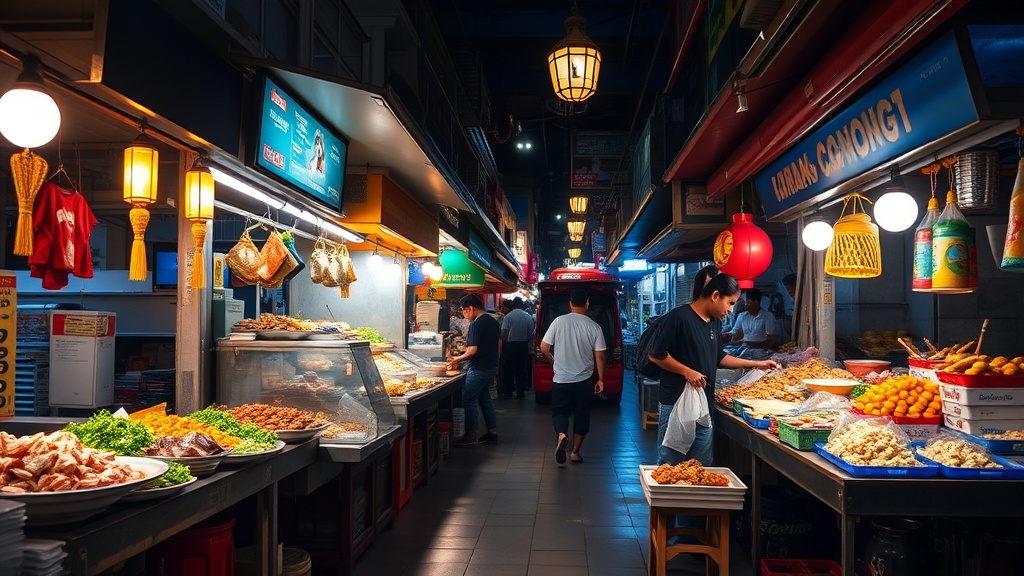
5 Best Street Food Markets in Bangkok

Yaowarat Road (Chinatown)
Jodd Fairs Night Market
Or Tor Kor Market
Chatuchak Weekend Market
Wang Lang Market
Why Bangkok is the Ultimate Destination for Food-Driven Travel
Are you wondering if the logistical chaos of Bangkok's street food scene is actually worth the effort, or if you should stick to air-conditioned food courts? For the high-achieving traveler, time and energy are your most precious commodities. You don't want to spend your limited vacation hours standing in a disorganized queue for mediocre food. This guide identifies five specific street food markets in Bangkok that offer the highest return on investment (ROI) regarding flavor, efficiency, and cultural authenticity. I have vetted these locations based on their density of high-quality vendors, ease of navigation, and the actual quality of the ingredients used.
When planning a food-centric itinerary, you must treat it like any other high-stakes project. You need to account for heat, humidity, and timing. If you arrive too late, the best vendors will be sold out; if you arrive too early, the atmosphere hasn't reached its peak. The following locations have been selected because they provide a structured way to experience the best of Thailand's culinary landscape without the unnecessary friction of poorly managed tourist traps.
1. Yaowarat (Chinatown)
Yaowarat is the heavyweight champion of Bangkok street food. While it can feel overwhelming due to the sheer volume of people and vehicles, it is an essential stop for any serious traveler. The ROI here is exceptionally high because the density of legendary, Michelin-recognized vendors is unmatched anywhere else in the city. You aren't just eating; you are participating in a high-speed culinary ecosystem.
What to Eat
Focus your efforts on the seafood and noodle specialists. Guay Jab Nay Ek is a non-negotiable stop; their rolled rice noodles in a peppery broth are a masterclass in texture. For seafood, look for the stalls serving grilled river prawns (Goong Mae Nam) and saltwater crabs. The quality of the seafood in Yaowarat is generally superior to standard street stalls because the turnover rate is so high that nothing sits in inventory for long.
Logistics and Strategy
The most efficient way to navigate Yaowarat is to arrive around 6:00 PM. This allows you to secure a seat at a high-demand stall before the 8:00 PM peak. Use the MRT (subway) to arrive at the Wat Mangkon station. Do not attempt to drive or use a taxi during this time; the traffic congestion on Yaowarat Road is a logistical nightmare that will eat up an hour of your time for no gain. Carry small denominations of Thai Baht, as many of the best vendors do not accept credit cards or even large bills.
2. Or Tor Kor Market
If you prefer a more controlled, premium environment over the chaotic streets of Chinatown, Or Tor Kor is your destination. This is a high-end wet market that caters to a more discerning clientele. While the prices are slightly higher than a standard street stall, the ROI comes in the form of impeccable hygiene, superior produce quality, and a much higher level of comfort.
What to Eat
This is the place to sample premium tropical fruits and prepared Thai delicacies. Look for the Mango Sticky Rice stalls; the quality of the fruit here is often the highest in the city. You should also seek out the prepared sections featuring Som Tum (papaya salad) and various types of grilled meats. The ingredients are sourced from top-tier farmers, so the flavor profiles are cleaner and more consistent than in more chaotic markets.
Logistics and Strategy
Or Tor Kor is best visited in the late morning or early afternoon. It is located right next to the Chatuchak Weekend Market, making it an excellent strategic stop for a midday meal during a larger shopping excursion. Because the environment is cleaner and more organized, it is an ideal choice if you are traveling with colleagues or clients and need to maintain a certain level of professional decorum while still enjoying authentic flavors.
3. Jodd Fairs (Dan Neramit)
Jodd Fairs is the modern evolution of the Thai night market. It is highly organized, aesthetically pleasing, and designed for the contemporary traveler who values a "lifestyle" experience alongside their meal. While some purists might argue it is more "Instagram-friendly" than "authentic," the efficiency and variety of food options make it a highly reliable choice for a successful evening out.
What to Eat
The standout dish here is the Spicy Seafood Soup (Leng Saap). This is a massive, towering mountain of pork ribs drenched in a lime and green chili broth. It is a visual spectacle and a culinary powerhouse. You will also find a wide array of modern fusion street food, such as grilled cheese lobster or Korean-influenced snacks. It is a great place to experiment with the intersection of traditional Thai flavors and global trends.
Logistics and Strategy
Jodd Fairs is a massive footprint, so I recommend picking one or two "anchor" stalls and working your way out. The market is located near the Phahon Yothin MRT station. Because this market is popular with both locals and expats, the queues can be long. If you are looking to maximize your time, order your main dish first, then move to a smaller stall for a drink or side dish while you wait. This prevents you from standing idle in the heat.
4. Wang Lang Market
Located on the Thonburi side of the river, Wang Lang Market offers a more local, less tourist-centric experience. This is a "working man's" market, which means the food is hearty, affordable, and extremely high quality. If you want to avoid the "tourist tax" often found in central Bangkok, this is your strategic destination.
What to Eat
The specialty here is often traditional Thai snacks and heavy, savory dishes. Look for Kanom Pang (Thai stuffed bread) and various types of noodles. The seafood cooked in coconut milk is also a standout. The food here is designed to be filling and efficient, perfect for a high-energy afternoon of exploring the riverside temples.
Logistics and Strategy
The most efficient way to reach Wang Lang is via the Chao Phraya Express Boat. Disembark at the Wang Lang Pier. Using the river boat is not only a more scenic way to travel, but it also bypasses the heavy road traffic that plagues the central districts. This market is most active during the lunch hour, so plan your arrival for 11:30 AM to ensure you have the widest selection of fresh items.
5. Silom Soi 20 (and surrounding alleys)
While not a single "market" in the traditional sense, the street food density in the Silom area—particularly around the office districts—is a masterclass in high-volume, high-quality production. This is where the city's professional class eats. The food is designed for speed and consistency, which appeals to anyone who values a streamlined dining experience.
What to Eat
Look for Pad Thai and Khao Pad (fried rice) stalls. Because these vendors serve thousands of office workers daily, their techniques are highly refined. The heat levels are often adjustable, which is a critical factor for those who may not have a high tolerance for spice. You will also find excellent Moo Ping (grilled pork skewers) which make for a perfect, high-protein snack on the go.
Logistics and Strategy
The window of opportunity here is narrow. You must arrive between 11:00 AM and 1:30 PM. Outside of these hours, many of the best vendors will have packed up. The area is extremely well-connected by the BTS Skytrain (Salasilapin station is the closest). This is a highly predictable environment, making it a safe bet if you have a tight schedule and need to guarantee a quality meal within a 45-minute window.
Final Planning Pro-Tips
- The Hygiene Audit: When choosing a stall, look for high turnover. A stall with a long line of locals is a strong indicator of both freshness and food safety. High turnover means the ingredients aren't sitting out in the heat for extended periods.
- Hydration Management: Street food is often salty or spicy. Always carry a reusable water bottle. While many stalls sell bottled water, having your own ensures you aren't searching for a vendor when you're feeling the heat.
- Payment Efficiency: While many places are moving toward digital payments (like PromptPay), most street vendors still prefer cash. Always have a stash of 20, 50, and 100 Baht notes to avoid delaying the line behind you.
- Weather Contingency: Bangkok's weather is unpredictable. Always have a digital or physical copy of your itinerary, and if you are planning a food tour, ensure you have a "Plan B" indoor location in case of a sudden tropical downpour. For more tips on managing your gear during travel, see my guide on how to pack a carry-on for a two week trip.