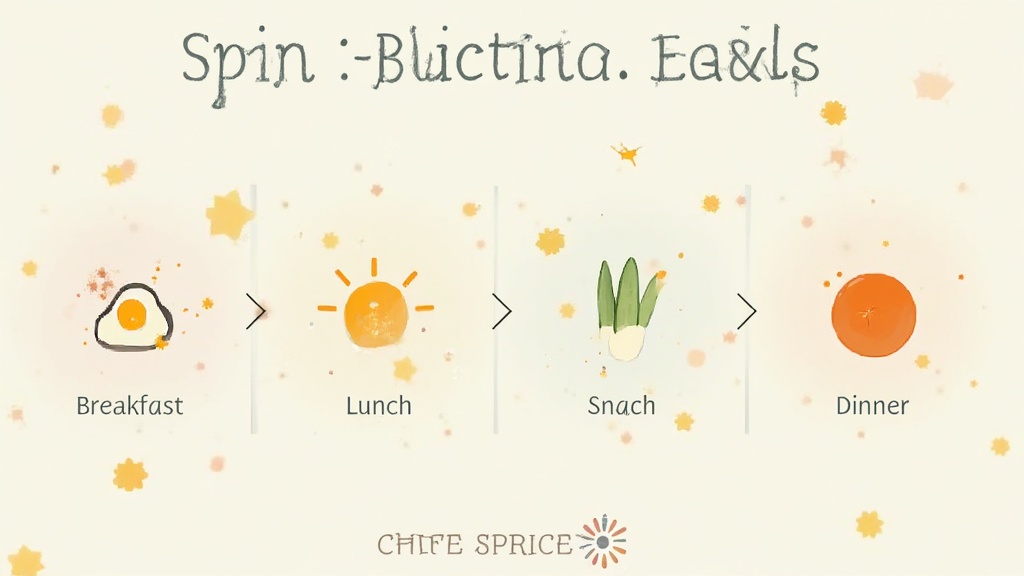
5 Simple Meal Timing Hacks for Bio‑Harmony in 2026

Ever feel like your afternoon slump hits just as you sit down for lunch? The culprit might not be the coffee you skipped—it could be the clock inside you. In 2026, aligning your meals with your internal circadian rhythm—what I call Bio‑Harmony—is a game‑changer for high‑earning professionals who can’t afford wasted hours.
What exactly is Bio‑Harmony and why does it matter now?
Bio‑Harmony blends nutrition with chronobiology, the science of our 24‑hour internal clocks. A 2024 study in Chrononutrition and Energy Balance showed that eating within the biological “day” (roughly 7 am‑7 pm) improves glucose handling by up to 15 % and reduces nightly fat storage. For busy executives juggling meetings, travel, and family, that boost translates directly into sharper focus and fewer afternoon crashes.
How can I start syncing meals with my body clock today?
Below are five practical hacks you can implement right now. Each one respects the 12‑hour daylight window that our master clock (the suprachiasmatic nucleus) uses to regulate hormone release, insulin sensitivity, and digestion.
1. Anchor Your Breakfast to Sunrise
Eat within the first two hours after sunrise. A protein‑rich start—think eggs, Greek yogurt, or a plant‑based protein shake—jump‑starts insulin sensitivity and sets a metabolic tone for the day. If you’re a night‑owl, use a light‑therapy lamp to simulate sunrise and still eat within that window.
2. Keep Snacks Light and Timed
Schedule a mid‑morning snack (10‑11 am) and an afternoon snack (3‑4 pm). Opt for low‑glycemic options—nuts, berries, or cheese—to maintain steady blood sugar. My Spring Pantry Reset guide lists the best circadian‑friendly pantry staples.
3. Shift Your Largest Meal to Mid‑Day
Research from Frontiers on Chrononutrition (2024) suggests that consuming the bulk of daily calories before 2 pm aligns with peak metabolic efficiency. A hearty lunch of lean protein, veggies, and a modest whole‑grain portion fuels afternoon productivity without overloading your evening clock.
4. Set a Hard Cut‑Off for Dinner
Finish eating by 7 pm. Late‑night meals push peripheral clocks out of sync, raising cortisol and disrupting sleep quality. If you must eat later (e.g., after a late flight), keep it light—think a salad with olive oil or a small portion of fish.
5. Use a Simple Digital Tracker
Leverage a habit‑tracking app (e.g., Streaks, Habitica) to log meal times. Seeing the pattern visualized helps you stay consistent, especially when travel throws your schedule off. I personally use a custom spreadsheet—download my Travel ROI template and adapt it for meal timing.
What if my work demands irregular hours or frequent travel?
Shift workers can shift the 12‑hour window forward or backward by up to three hours while preserving the same day‑night split. When crossing time zones, treat the new local sunrise as your anchor point and adjust meals within 24‑48 hours to avoid “jet‑lagged digestion.”
Quick Checklist: Your Bio‑Harmony Meal Plan
- ☑ Wake up at the same time daily (even weekends).
- ☑ Breakfast within 2 hours of sunrise.
- ☑ Mid‑morning snack (10‑11 am) — nuts or fruit.
- ☑ Lunch by 2 pm — protein + veg + modest carbs.
- ☑ Afternoon snack (3‑4 pm) — low‑glycemic.
- ☑ Dinner by 7 pm — light, protein‑focused.
- ☑ Log times in a habit tracker.
Takeaway
Bio‑Harmony isn’t a fad diet; it’s a timing strategy that turns your body’s natural clock into a productivity ally. By anchoring meals to daylight, you’ll see steadier energy, better sleep, and—most importantly for high‑earning professionals—more ROI on every hour of PTO.
Frequently Asked Questions
What is Bio‑Harmony?
Bio‑Harmony is the practice of syncing nutrition with your circadian rhythm to optimize metabolism, hormone balance, and overall health.
When should I eat my largest meal?
Aim to have the bulk of calories before 2 pm, ideally as part of a balanced lunch.
Can I maintain Bio‑Harmony while traveling across time zones?
Yes. Use the local sunrise as a new anchor, adjust meals within 24‑48 hours, and keep the 12‑hour eating window consistent.