A Deep Dive into the Floating Markets of Thailand

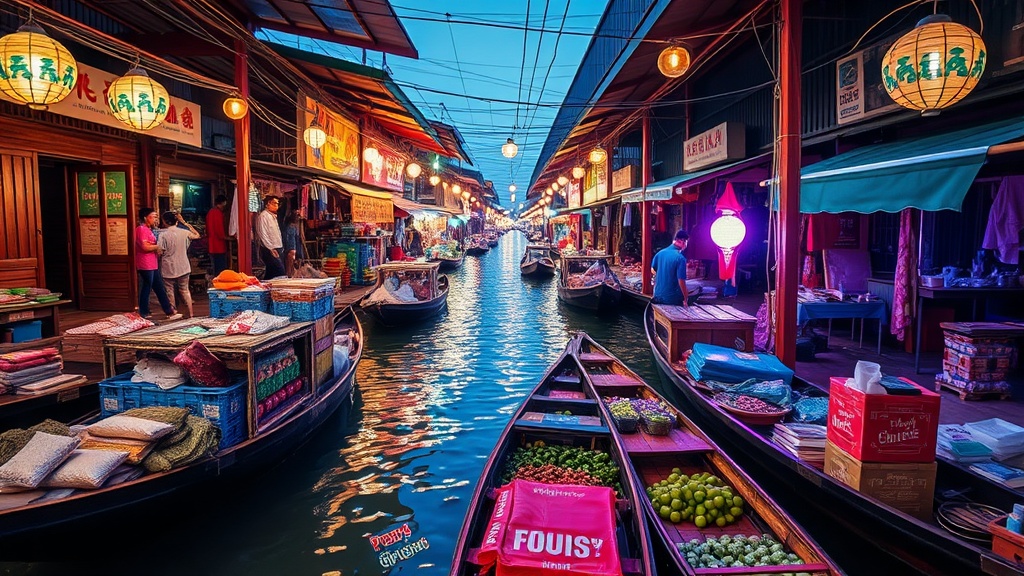
A wooden skiff glides through a narrow canal, heavy with the scent of ripe mangoes and sizzling garlic. A vendor in a wide-brimmed straw hat leans over the edge of her boat, handing a steaming bowl of boat noodles to a customer—all while balancing a tray of dragon fruit on her shoulder. This is the sensory reality of Thailand's floating markets. This guide breaks down the logistics of the three most significant markets, the actual costs you should expect to pay, and how to avoid the tourist traps that drain your time and budget.
Which Floating Market is Best for You?
The "best" market depends entirely on whether you want a curated tourist experience or a glimpse into actual local commerce. Most travelers fall into one of two camps: those seeking the iconic, highly-photogenic scenes and those looking for authentic, uncrowded local life. I've categorized the top three destinations based on their "ROI" for your time and money.
Damnoen Saduak: The Iconic Experience
Damnoen Saduak is the most famous and, frankly, the most commercialized. It's the one you see in most travel brochures. If you want that perfect shot of a colorful boat filled with fruit, go here. But don't expect to find a quiet, meditative moment. It is loud, crowded, and very much built for the international visitor. You'll need to arrive by 8:00 AM to beat the heavy bus crowds from Bangkok.
Amphawa: The Evening Alternative
Amphawa is a weekend-only market that focuses more on food and a slightly more relaxed atmosphere. It's less about the "boat-to-boat" shopping and more about the riverside dining experience. It feels more like a local community event than a staged attraction. It's a great choice if you want to stay out later in the evening and enjoy a riverside dinner.
Taling Chan: The Local's Choice
Taling Chan is a small, manageable market that serves primarily local residents. It's much closer to Bangkok and offers a much higher ratio of "authentic food" to "tourist trinkets." If you want to see how locals actually shop for produce and street food without the heavy commercial veneer, this is your spot.
| Market | Primary Vibe | Best Time to Visit | Crowd Level |
|---|---|---|---|
| Damnoen Saduak | Highly Commercial / Photogenic | Early Morning (7:30 AM) | High |
| Amphawa | Food-Focused / Weekend Only | Late Afternoon/Evening | Moderate |
| Taling Chan | Authentic / Local | Morning (9:00 AM) | Low |
How Much Does a Floating Market Tour Cost?
You can expect to spend anywhere from $15 to $50 USD per person for a standard day trip from Bangkok, depending on the level of service. If you are booking a private boat rental rather than a group tour, the price structure shifts significantly. I always recommend budgeting for more than just the entrance fee—the "hidden" costs of food and small souvenirs add up quickly.
Here is a breakdown of the typical expenses you'll encounter:
- Private Longtail Boat Rental: Expect to pay between 1,000 and 2,000 THB (roughly $30–$60 USD) for a private 1-hour boat tour. This is a better investment than a group tour if you want to control the pace.
- Street Food Meals: Most snacks and small meals cost between 50 and 120 THB. It's cheap, but don't forget to carry small denominations of cash.
- Transport to the Market: If you aren't booking a full-day tour, a Grab ride or a private driver will cost significantly more than a public bus or train.
One thing to keep in mind—and this is a big one—is the "negotiation tax." In more touristy areas like Damnoen Saduak, prices for everything from fruit to boat rides are often inflated for foreigners. If a vendor quotes you a price, it's usually a starting point. Don't be afraid to haggle, but do it politely. It's part of the local culture, not a confrontation.
What Should I Pack for a Floating Market Trip?
Your packing list should prioritize sun protection and comfort over fashion. You'll be spending a significant amount of time outdoors, often in high humidity and direct sunlight, sometimes sitting in a small, cramped boat. I've seen too many people show up in "Instagram-ready" outfits only to spend the whole day miserable and sunburnt.
The most important items to have on hand are:
- A lightweight scarf or linen wrap: This is perfect for sun protection or covering your shoulders if you decide to visit a temple nearby. Packing a lightweight scarf is a great way to stay versatile while traveling.
- High-SPF Sunscreen: The reflection of the sun off the water can actually intensify the heat.
- Polarized Sunglasses: This isn't just about looking good; it helps reduce the glare from the canals as you move through the water.
- Reusable Water Bottle: While vendors sell bottled water everywhere, having your own keeps you hydrated without creating extra plastic waste.
If you're planning to head from the markets to a more serene destination afterward, like the Japanese coast, you might want to ensure your gear is compact. A small, breathable crossbody bag is much better than a bulky backpack when you're maneuvering in and out of boats.
Is It Worth the Trip from Bangkok?
Whether the trip is "worth it" depends entirely on your tolerance for transit time versus your desire for cultural immersion. For most, the answer is yes, provided you manage your expectations regarding the "authenticity" of the experience. If you go expecting a quiet, spiritual experience, you'll be disappointed. If you go expecting a vibrant, chaotic, and delicious food tour, you'll have a blast.
The logistics of getting there are often the biggest hurdle. Most floating markets are located in the Samut Songkhram or Ratchaburi provinces, which are roughly 1.5 to 2 hours away from central Bangkok. This means you are looking at a minimum of 4 hours of travel time in a single day. If you aren't prepared to spend that much time in a car or on a bus, consider looking for river-based experiences closer to the city or even just exploring the local canal systems in Bangkok itself.
If you're looking for a more relaxed pace, you might prefer a day trip that includes a more scenic element. For example, if you've enjoyed the water-based culture of Southeast Asia, you might find interest in Japanese water rituals or traditional bath culture, though that is a much different vibe entirely. The key is knowing what kind of "energy" you want for your day.
The ROI on a floating market trip is highest when you treat it as a food tour. Don't focus on the trinkets or the souvenirs. Focus on the food. The ability to eat fresh seafood, noodles, and tropical fruits directly from a boat is a unique experience that you won't find in a standard shopping mall. Just make sure you bring plenty of small Thai Baht notes—credit cards are almost non-existent on these boats.
The heat can be relentless, especially around midday. If you can, plan your arrival for the earliest possible slot. The light is better for photos, the air is slightly cooler, and the crowds haven't reached their peak. It's a simple tactical move that makes the entire experience much more tolerable.