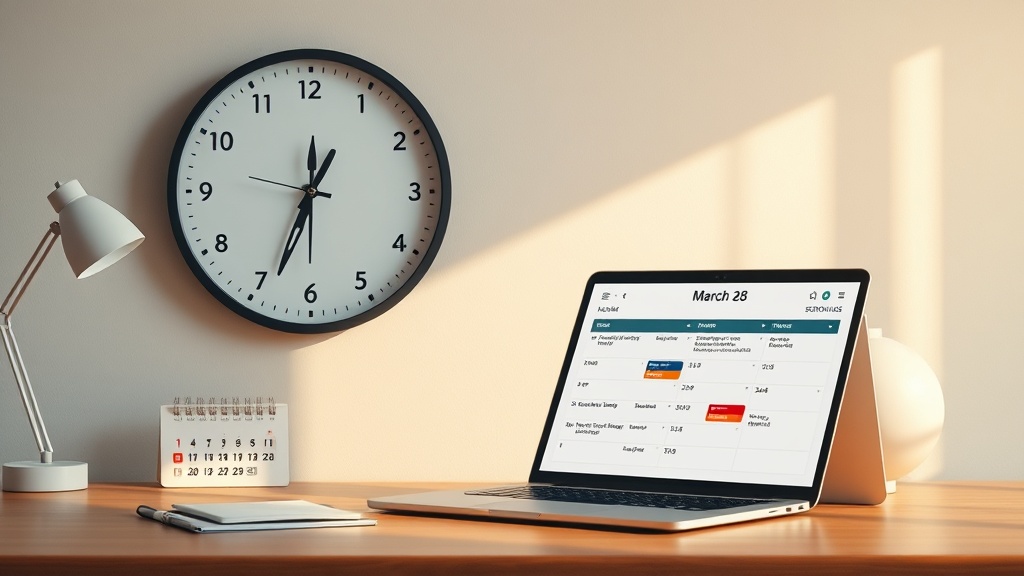
Daylight Saving Adjustment: Practical Tips for a Smooth Transition

Why does daylight saving time feel like a nightmare for travelers?
Every March, the clock jumps forward an hour, and suddenly your morning routine, flight schedule, and even your Return on Experience (ROE) feel out of sync. According to the CDC, the shift can shave 15‑30 minutes of sleep, leading to grogginess and reduced productivity – a costly hit for busy professionals.
How can I protect my sleep schedule before the change?
Start the adjustment early. The National Sleep Foundation recommends shifting bedtime and wake‑time by 10‑15 minutes each night for a week before the jump. Here’s a quick checklist:
- Set a consistent bedtime 10‑15 minutes earlier each night.
- Limit blue‑light exposure after sunset – use night‑mode on devices.
- Keep your bedroom cool (around 65°F/18°C) to promote deeper sleep.
What travel‑specific adjustments should I make?
Flights and connections often run on “wall‑clock” time, not your body clock. Missed connections can erase your ROI on a trip. Follow these steps:
- Check airline schedules for any DST‑related changes. Airlines like Delta and United publish their flight timetables with DST adjustments.
- Plan buffer days around the shift. A 24‑hour “buffer day” can absorb any sleep loss and keep your itinerary on track. See my Buffer Day Travel Strategy for the math.
- Adjust your meeting calendar to reflect the new hour. A simple “DST” tag in your calendar prevents double‑booking.
Can I use technology to smooth the transition?
Yes. Smart‑home devices can gradually dim lights, and wearables can track sleep stages. A Health app can alert you when you’re not hitting target sleep duration. Set a reminder to “Start winding down at 9 PM (new time)” the night before the change.
How does this impact my overall travel ROI?
Every hour of lost sleep translates to reduced productivity and enjoyment on the road. By preserving your sleep, you safeguard the Return on Experience you’ve invested. My Travel ROI Spreadsheet helps you quantify the cost of a groggy day versus a refreshed one.
Takeaway: Your DST Action Plan
1. Shift sleep schedule 10‑15 min earlier for a week.
2. Verify all flight times and add a buffer day.
3. Leverage smart‑tech for lighting and sleep tracking.
4. Update calendars with a DST tag.
5. Review your ROI spreadsheet to see the payoff.
By treating the daylight saving shift as a project milestone—complete with a timeline, resources, and risk mitigation—you’ll keep your travel plans on track and your ROI high.
FAQ
- What is the best way to adjust my wake‑up time for DST? Shift it earlier by 10‑15 minutes each day for a week before the change.
- Do I need to change my flight bookings? Only if the airline adjusts departure times. Check the airline’s schedule page and add a buffer day if needed.
- How can I minimize jet lag when DST coincides with travel? Combine the DST sleep‑shift plan with standard jet‑lag strategies: stay hydrated, get sunlight early, and avoid alcohol.