Finding Serenity in the Japanese Onsen Tradition

A traveler arrives at a luxury ryokan in Hakone, expecting a seamless transition from the train to the hot spring. Instead, they find themselves standing in a lobby, staring at a sign about strict bathing etiquette, feeling entirely out of place because they didn't realize they had to wash thoroughly before entering the communal pool. This lack of preparation turns a relaxing evening into a stressful social blunder. This guide breaks down the logistics, the etiquette, and the actual cost of experiencing Japan's thermal bath culture so you can focus on the relaxation, not the rules.
The Japanese onsen experience is a highly structured ritual involving mineral-rich hot springs, specific hygiene protocols, and a set of unwritten social rules. If you're planning a trip to Japan, understanding these nuances is the difference between feeling like a local and feeling like an intruder. We'll look at the different types of baths, the mandatory etiquette, and how to budget for these experiences.
What are the different types of hot springs in Japan?
The primary distinction in Japanese bathing is between onsen (natural hot spring water) and sento (community bathhouses using heated tap water). While both offer relaxation, an onsen is a natural geological feature, whereas a sento is a man-made facility.
When you're planning your itinerary, you'll encounter several specific variations. It’s helpful to know which one you're booking so you don't accidentally book a public bath when you wanted a private soak.
- Onsen: Natural hot spring water sourced from the earth. These are often found in mountainous regions or volcanic areas.
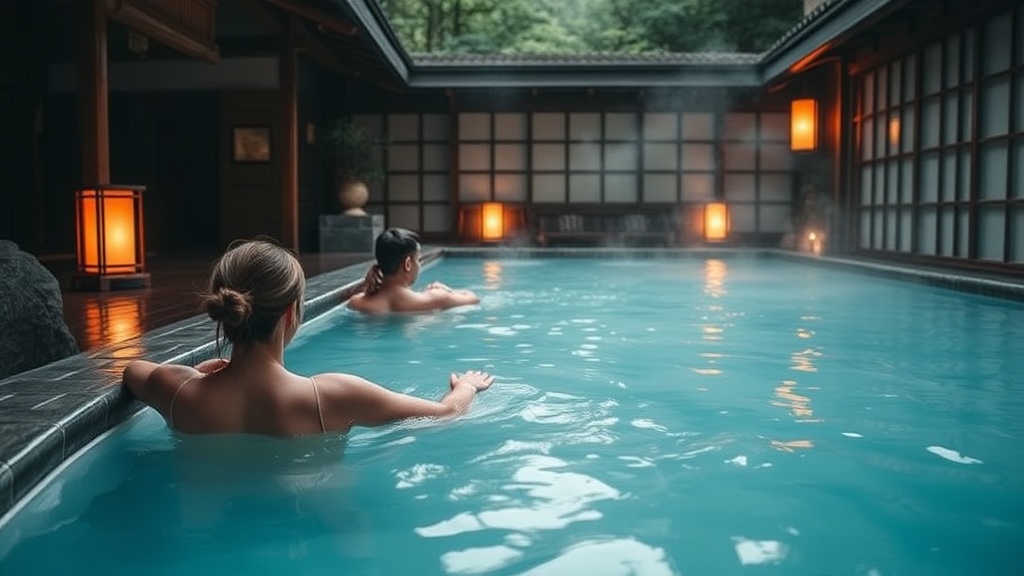
- Rotenburo: An outdoor hot spring bath. This is the gold standard for many travelers because it offers views of nature—think snow-capped mountains or forest scenery.
- Sento: A public bathhouse. These are ubiquitous in urban areas like Tokyo and are much more affordable.
- Super Sento: These are modern, large-scale bath complexes. They often include saunas, massage services, and even cafes. They are perfect for a high-end "day trip" experience.
- Kashikiri: Private rental baths. This is the "safety net" for travelers who are uncomfortable with nudity or traveling with a partner.
If you want to research the mineral composition of specific regions, the Wikipedia entry on Onsen provides a solid scientific foundation for why certain waters feel different on your skin.
How do I follow onsen etiquette?
The most important rule of onsen etiquette is that you must wash your body thoroughly at a designated station before entering the communal bath water. You never, ever jump straight into the pool with a dirty body.
It feels a bit awkward at first, but there is a rhythm to it. Follow these steps to ensure you're respecting the space and the other guests.
- The Pre-Wash: Sit on a small stool at the washing station. Use a bucket and a washcloth to scrub your body. Ensure all soap and shampoo are rinsed off completely.
- The Hair Rule: If you have long hair, tie it up. No one wants a stray hair floating in the communal bath (it's a major faux pas).
- The Towel Rule: You'll usually be given a small hand towel. This stays on your head or on the side of the tub. It must never touch the water.
- No Clothing: Traditional onsen are strictly nude. There are no swimsuits allowed. (Unless you are using a kashikiri or private bath).
- No Splashing: The bath is for quiet soaking, not for swimming or splashing. Keep the volume low and the movement gentle.
If the idea of public nudity is a dealbreaker—which is a perfectly valid concern for many Western professionals—look specifically for accommodations that offer private onsen. Many high-end ryokans, such as those in the Hakone or Beppu regions, offer rooms with their own private open-air baths. It's an extra expense, but the ROI on your comfort level is massive.
Is it worth paying for a luxury Ryokan with a private bath?
Whether a private bath is "worth it" depends entirely on your tolerance for communal spaces and your budget. For most travelers, a private bath offers a significant increase in both privacy and comfort, but it comes with a premium price tag.
I’ve built a quick comparison to help you decide where to allocate your travel budget. I look at this through the lens of "Value vs. Privacy."
| Experience Type | Typical Cost (Per Person) | Privacy Level | Best For... |
|---|---|---|---|
| Public Sento | ¥500 - ¥800 ($3 - $5) | Low | Budget travelers and quick refreshes. |
| Public Onsen (Day Use) | ¥1,500 - ¥3,000 ($10 - $20) | Medium | A luxury afternoon treat without an overnight stay. |
| Ryokan (Shared Bath) | ¥20,000+ ($135+) | Medium | Traditional cultural immersion and high-end dining. |
| Ryokan (Private In-Room) | ¥40,000+ ($270+) | High | Couples, families, or those seeking total serenity. |
If you are a solo traveler, a public onsen is a great way to experience the culture without the high cost of a luxury room. However, if you're traveling with a partner and want a seamless, romantic experience, the in-room bath is almost always the better investment. You won't have to worry about the "social anxiety" of the washing stations or the communal rules.
One thing to note: many modern facilities are becoming more inclusive, but the traditional rules remain strict. If you have tattoos, you should check the facility's policy beforehand. Some places are fine with them, but many traditional spots still prohibit them. It's better to check the website of the specific hotel or Ryokan ahead of time to avoid an awkward arrival.
The physical sensation of the water can vary wildly. Some waters feel "heavy" or "slippery"—this is often due to high mineral content like sulfur or sodium. This is a sign of high-quality thermal water. If you're looking for a more detailed breakdown of the different mineral types, the Ministry of Land, Infrastructure, Transport and Tourism often provides-related data on geological resources in Japan.
Don't forget the hydration aspect. Hot baths can dehydrate you quickly. Always have a bottle of water or tea nearby after your soak. I always recommend carrying a high-quality reusable bottle—it's a habit that serves you well in many parts of Asia, not just Japan. Even if you're just staying at a local hotel, having your own means you're not reliant on the facility's limited-use glassware.
When you're selecting your destination, consider the season. A Rotenburo (outdoor bath) in the winter is a transcendent experience—the contrast between the freezing air and the steaming water is incredible. But if you're traveling in the peak of a humid Japanese summer, a hot soak might feel a bit much. Plan your thermal-heavy legs of the trip around the temperature of the region.