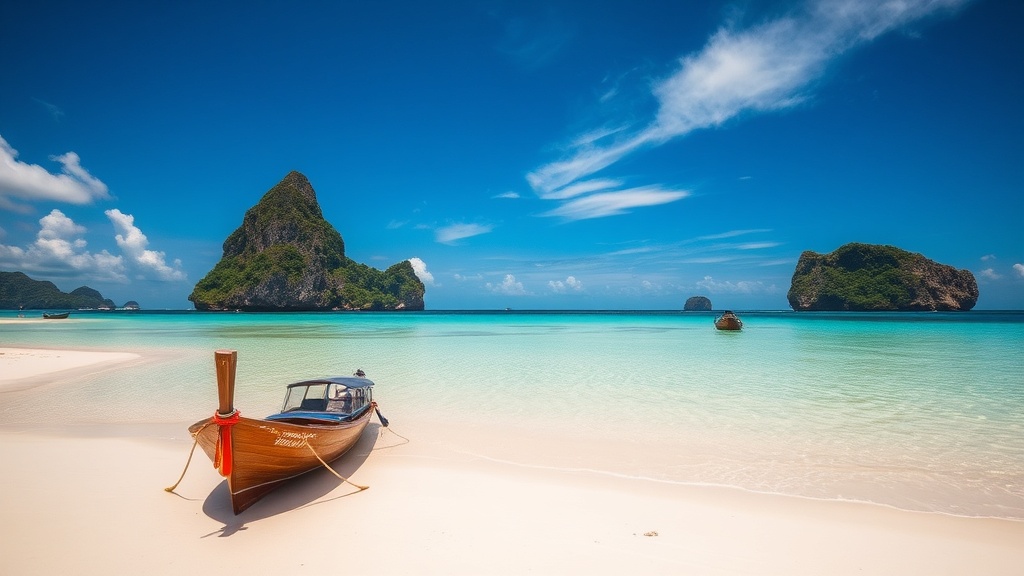
Hidden Gem Islands in the Philippines for Solo Travelers

Siargao: Beyond the Surf
Camotes Islands: The Local Secret
Siquijor: Mystical Island Vibes
Are you tired of seeing the same three overcrowded beaches on your Instagram feed every time you search for Southeast Asia? If you're a solo traveler looking for actual seclusion rather than a crowded "party island," you need a destination that offers high-quality amenities without the massive crowds. This list identifies specific islands in the Philippines that provide the perfect balance of safety, accessibility, and genuine isolation for the solo professional.
Which Philippine Islands Are Best for Solo Travelers?
Siargao, Camiguin, and Siquijor are the top choices for solo travelers who want a mix of adventure and reliable infrastructure. While Boracay is the famous heavyweight, these three islands offer a much higher ROI on your time and mental energy because they feel more authentic and less commercialized.
Siargao: The Surfer's Hub
Siargao isn't just about the waves; it's about the lifestyle. If you're traveling alone, the social scene here is incredibly easy to enter. You don't have to force conversations—you just show up at a cafe or a surf school and it happens naturally. It’s a great spot if you want to be "alone together" with other travelers.
The infrastructure is surprisingly solid. You can find high-speed Wi-Fi in most boutique resorts (a lifesaver if you need to check an urgent email) and plenty of scooter rentals. I recommend a sturdy helmet and a reliable pair of Patagonia-style weather-resistant gear because the tropical humidity is no joke. The island operates on "island time," which means things might run late, but the vibe is incredibly forgiving.
- Best for: Surfing, social networking, and cafe hopping.
- Solo Pro Tip: Rent a scooter early to avoid the midday heat.
- Connectivity: Good in General Luna; spotty in the north.
Camiguin: The Quiet Retreat
If Siargao is too loud for your tastes, Camiguin is the antidote. It’s a small volcanic island with a very low density of tourists. This is where you go when you actually want to read a book without a DJ playing in the background. It’s incredibly safe for solo travelers—you won't feel the need to look over your shoulder constantly.
The island is famous for its seven volcanoes (including one that is actually an active volcano). The landscape is dramatic, and the hot springs are a legitimate reason to stay an extra three days. It’s a much more contemplative experience than the typical backpacker trail. If you’re looking for a place to decompress after a high-stress project, this is it.
Siquijor: The Mystical Escape
Siquijor has a reputation for being "mystical" or even "witchy," which is just a way of saying it has a very distinct, old-world soul. It’s a beautiful, sleepy island with incredible limestone pools and ancient trees. For a solo traveler, the appeal lies in the slow pace. You aren't rushing to hit ten landmarks in a day; you're just existing in a beautiful space.
The roads are well-maintained, making it easy to explore via motorbike. Most people here are incredibly kind and helpful, which adds a layer of security when you're navigating a new culture alone. It’s a great place to practice being alone without feeling lonely.
How Much Does a Solo Trip to the Philippines Cost?
A solo traveler can expect to spend between $40 and $70 USD per day for a mid-range experience that includes decent accommodation, local meals, and activities. This budget allows you to avoid the "budget backpacker" lifestyle while still being smart with your capital.
| Expense Category | Budget (Low) | Mid-Range (Recommended) | Luxury |
|---|---|---|---|
| Daily Food & Coffee | $15 | $35 | $70+ |
| Accommodation (Per Night) | $15 (Hostel) | $50 (Boutique Hotel) | $150+ (Resort) |
| Activity/Tour | $10 | $30 | $100+ |
| Daily Transport (Scooter) | $5 | $15 (includes gas) | $40 (Private Driver) |
The ROI on a mid-range budget is significantly higher. In the Philippines, a $50 hotel is often a massive leap in quality from a $15 hostel. You get air conditioning, privacy, and a much better sleep quality—which, as someone who values efficiency, I cannot stress enough. If you're tired, you aren't enjoying the trip; you're just surviving it.
Is It Safe to Travel Solo in the Philippines?
Yes, the Philippines is generally very safe for solo travelers, provided you use common sense and follow standard travel protocols. The culture is deeply rooted in hospitality, and most locals are helpful to tourists. However, you should always be mindful of your surroundings in crowded areas or when traveling late at night in unfamiliar towns.
One thing to note: the weather is a major variable. Tropical storms can disrupt travel plans instantly. I always tell my clients to check the PAGASA (Philippine Atmospheric, Geophysical and Astronomical Services Administration) website for weather updates before booking a boat or a flight. It’s better to be aware of a storm coming than to be stuck on an island with no way out.
Also, don't forget your hydration strategy. The heat is relentless. I've seen too many travelers burn out because they didn't prepare for the humidity. Carrying a high-quality reusable water bottle isn't just an environmental choice—it's a survival tactic. Most high-end cafes and resorts have filtered water stations, so you can save money and reduce plastic waste while staying hydrated.
If you're worried about navigating the local transport, don't be. While the jeepney system is legendary, it can be intimidating for a first-timer. For a more controlled experience, use Grab (the regional equivalent of Uber) in larger hubs or stick to booking private tours through your hotel. It's a small price to pay for the peace of mind that comes with knowing exactly how much you're paying and where you're going.
When you're planning these trips, think of them like a project. You need a clear scope, a realistic budget, and a contingency plan. If you spend all your time trying to find the "cheapest" option, you'll end up wasting your precious vacation days dealing with logistical headaches. Invest in the things that actually matter—good food, comfortable beds, and seamless transport.
The Philippines has a way of rewarding the prepared traveler. Whether you end up surfing in Siargao or reading by a volcano in Camiguin, the goal is to actually enjoy the experience rather than just "getting through" the logistics. Plan with intention, leave room for spontaneity, and don't settle for a mediocre experience just because it was the cheapest option on the list.