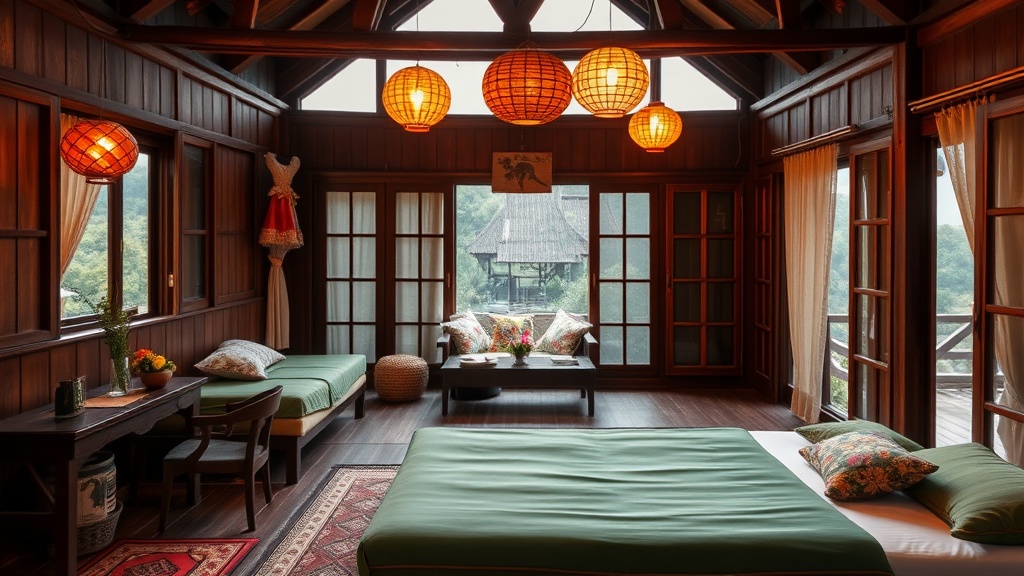
How to Find and Book Local Homestays in Rural Vietnam

What You Will Learn in This Guide
This guide provides a systematic framework for identifying, vetting, and booking authentic homestays in rural Vietnam, specifically focusing on the Northern Highlands and the Mekong Delta. You will learn how to bypass standard booking platforms to find high-quality local stays, the specific technical questions to ask hosts to ensure basic amenities, and how to manage logistics in areas with limited digital infrastructure. My goal is to ensure your investment in a "local experience" yields actual cultural immersion rather than a sanitized, overpriced tourist trap.
The Reality of the "Homestay" Label in Vietnam
In the travel industry, "homestay" is often used as a marketing eupima for a budget guesthouse or a basic boutique hotel. To get the ROI you expect from a true homestay, you must distinguish between Commercial Homestays (run by businesses with multiple rooms and professional staff) and Authentic Homestays (where you are literally staying in a family's home). For the established professional, I recommend a hybrid approach: look for family-run lodges that offer the intimacy of a home but maintain the standardized hygiene and professional booking systems you require to avoid logistical headaches.
The ROI of Authenticity vs. Comfort
Before booking, perform a quick cost-benefit analysis. A true homestay in a village like Sapa or Ha Giang may offer incredible cultural access, but it often comes with a "comfort tax" in the form of shared bathrooms, mosquito nets, and limited electricity. If your priority is a seamless transition from a high-pressure work environment to a relaxing vacation, ensure you are not over-indexing on the "authentic" label if it means sacrificing sleep quality or sanitation.
Where to Find High-Quality Rural Stays
Standardized platforms like Booking.com or Expedia are useful for urban centers like Hanoi or Da Nang, but they often fail to capture the best rural properties. To find the true gems, use these three specific channels:
- Google Maps and Local SEO: In rural areas, many of the best stays do not list on major OTAs (Online Travel Agencies). Search for terms like "Homestay [Village Name]" on Google Maps. Look for properties with high review counts and, more importantly, read the most recent reviews to check for recent changes in management or facility quality.
- Specialized Niche Platforms: Sites like Homestay.com or local Vietnamese social media groups can yield better results. However, these require more rigorous vetting.
- Direct Coordination via Local Guides: If you are trekking in the Hoang Lien Son Mountains, the most reliable way to book a high-quality stay is through a reputable local trekking agency. They have already vetted the hosts for safety and cleanliness.
The Vetting Checklist: 5 Critical Questions to Ask
Do not book a rural stay based on photos alone. Photos in rural Vietnam are often outdated or heavily filtered. You must send a direct message (via WhatsApp or Zalo, which are the standard communication tools in Vietnam) to ask these specific questions:
- "What is the bathroom configuration?" Ask specifically if the bathroom is private or shared, and if it is an en-suite or located in a separate structure. In many rural areas, a "private" bathroom might still be a separate building connected by a walkway.
- "Is there a backup generator or consistent electricity?" In provinces like Cao Bang or Lao Cai, power outages are common. If you need to charge devices or work remotely, you must confirm the presence of a generator. For this reason, carrying a high-capacity portable power bank is a non-negotiable requirement for rural Vietnam.
- "Can you provide a menu for communal dinners?" Many authentic homestays include a family-style dinner. You need to know if they can accommodate dietary restrictions (e.g., gluten-free or vegetarian) and if the menu is fixed or customizable.
- "What is the water situation?" Ask if they provide filtered drinking water or if you need to boil water. This is a critical detail for preventing water-borne illnesses.
- "How do I arrive at your location via local transport?" Rural addresses are often imprecise. Ask for a Google Maps pin or specific landmarks to ensure your driver can actually find the property.
Regional Recommendations and Expectations
The Northern Highlands (Sapa, Ha Giang, Mu Cang Chai)
This region is characterized by dramatic rice terraces and ethnic minority cultures (Hmong, Dao, Tay). Homestays here are often built into the mountainside. Expect: Cooler temperatures, steeper terrain, and more frequent power outages. The Pro Tip: If you are traveling to Ha Giang for the "Loop," book a homestay that offers a "breakfast service" specifically designed for travelers, as many trekking groups depart very early in the morning.
The Mekong Delta (Can Tho, Ben Tre, An Giang)
The South offers a much different experience, focused on river life, fruit orchards, and floating markets. Expect: High humidity, mosquitoes, and a more relaxed, water-centric pace of life. The Pro Tip: Look for homestays located slightly away from the main river traffic to ensure you get actual quiet rather than the constant drone of long-tail boats.
Logistical Management: Transport and Connectivity
The biggest failure point in rural travel is the "last mile" logistics. You may book a perfect stay, but if you cannot get there, the booking is worthless.
Private Car vs. Sleeper Bus: While sleeper buses are cost-effective, they are notoriously uncomfortable for taller individuals and can be highly unpredictable in terms of timing. For a professional traveler, I recommend hiring a private car/driver through your hotel or a reputable agency. It provides a predictable arrival time and a higher level of service.
Connectivity Realities: Do not expect high-speed fiber optic internet in a remote village in Phong Nha. If you must check emails, verify the signal strength with the host beforehand. Most will have a stable enough connection for basic messaging and email, but video conferencing is a high-risk activity in these areas.
"A successful rural trip is not defined by the lack of luxury, but by the absence of unexpected logistical failures. Plan for the minimum level of comfort you can tolerate, and you will find the experience much more rewarding."
Final Pre-Departure Audit
Before you finalize your itinerary, run through this final checklist to ensure your "Dream Vacation" doesn't turn into a logistical nightmare:
- Offline Maps: Download the offline area on Google Maps for your specific destination. GPS works even when cellular data fails.
- Cash Reserves: Rural Vietnam is a cash-heavy economy. ATMs in provinces like Ha Giang are sparse and often run out of cash. Carry a sufficient amount of Vietnamese Dong (VND) for your entire stay, including tips and small local purchases.
- Communication App: Download Zalo. It is the most widely used messaging app in Vietnam. Most local hosts will find it much easier to communicate via Zalo than via email or Instagram.
- Medical Kit: Ensure you have high-quality insect repellent (DEET-based) and basic gastrointestinal medication. Even the best homestays can have unexpected issues with local food or insects.
By applying this level of scrutiny to your booking process, you move from being a passive tourist to an intentional traveler. You aren't just "going to Vietnam"; you are executing a well-planned cultural immersion with a clear understanding of the trade-offs involved.
Steps
- 1
Research via Local Community Groups
- 2
Use Niche Booking Platforms
- 3
Verify with Recent Traveler Reviews
- 4
Communicate Directly via Messaging Apps