Why You Should Try Coffee Culture in Vietnam

The Classic Cà Phê Sữa Đá
The Richness of Egg Coffee
Coconut Coffee Refreshment
The Traditional Phin Brewing Method
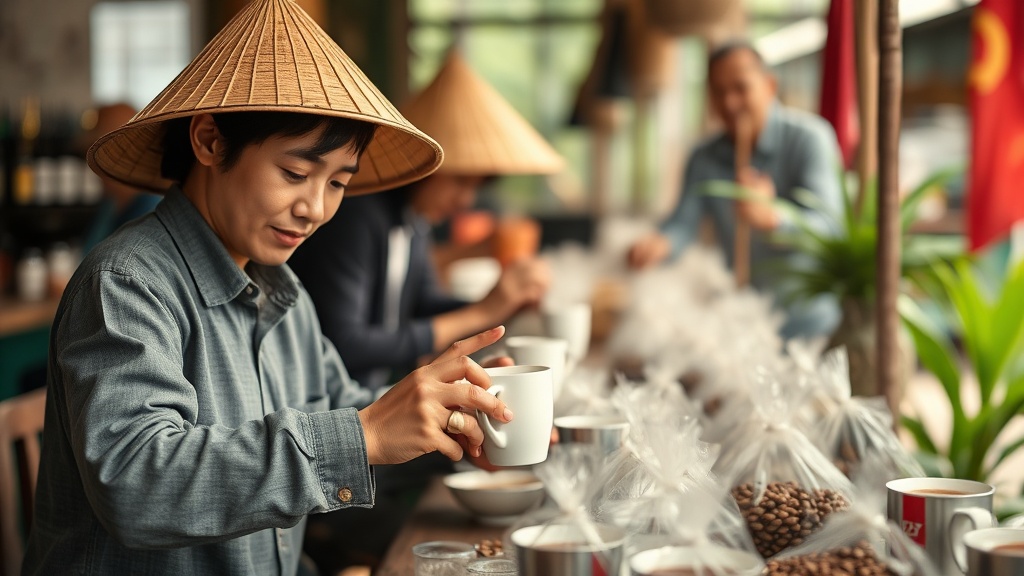
A small metal drip filter, known as a phin, sits atop a glass filled with thick, condensed milk. Slowly, dark, viscous droplets fall into the glass, a process that takes several minutes and requires zero intervention from the barista. This isn't a quick caffeine fix meant for a commute; it is a deliberate ritual. For the high-achieving traveler, understanding Vietnam's coffee culture is more than just a culinary tip—it is a strategic way to navigate the local pace of life, manage your energy levels during long transit days, and experience a fundamental pillar of Vietnamese social structure.
This guide breaks down the essential types of coffee you will encounter, the specific regional variations that dictate your itinerary, and the practical logistics of "cafe hopping" in cities like Hanoi and Ho Chi Minh City. If you are planning a trip to Southeast Asia, treating coffee as a structured part of your daily itinerary rather than an afterthought will significantly improve your cultural immersion and daily productivity.
The Essential Coffee Menu
Vietnamese coffee is not the light, acidic roast typical of many Western third-wave coffee shops. It is heavy, bold, and designed to stand up to intense sweeteners. Knowing what to order prevents the frustration of receiving a beverage that doesn't meet your expectations.
Cà Phê Sữa Đá (Iced Coffee with Condensed Milk)
This is the gold standard of Vietnamese coffee. Because fresh milk is not as ubiquitous as in the West, sweetened condensed milk is used to provide creaminess and a high sugar content. The coffee itself is usually a dark roast Robusta bean, which has significantly more caffeine than the Arabica beans typically found in Starbucks or Blue Bottle. If you are a high-caffeine consumer, this is your fuel. If you are sensitive to jitters, proceed with caution.
Cà Phê Trứng (Egg Coffee)
Primarily found in Hanoi, this is a decadent, custard-like beverage made by whipping egg yolks with condensed milk and sugar until they form a thick foam, which is then poured over hot black coffee. It is essentially a liquid tiramisu. This is a "destination drink"—you don't just drink it anywhere; you go to specific, historic cafes to experience it correctly.
Cà Phê Muối (Salted Coffee)
A rising trend in Central Vietnam, particularly in Hue, this drink uses a salted cream topping to balance the bitterness of the coffee and the sweetness of the condensed milk. The salt acts as a flavor enhancer, creating a savory-sweet profile that is surprisingly sophisticated. It is an excellent choice if you find standard sweetened coffees too cloying.
Coconut Coffee (Cà Phê Cốt Dừa)
This is a blended, frozen beverage consisting of coffee, coconut milk, and coconut cream. It is essentially a coffee frappe but with a much richer, more natural texture. It is the perfect mid-afternoon cooling mechanism when temperatures in Ho Chi Minh City exceed 35°C (95°F).
Regional Differences: North vs. South
When planning your route through Vietnam, you must adjust your expectations based on which region you are in. The coffee culture is not monolithic; it shifts as you move from the temperate north to the tropical south.
The Hanoi Approach (The North)
In Hanoi, the coffee culture is deeply tied to the "sidewalk culture." You will see people sitting on tiny, low-profile plastic stools on the sidewalk, often watching the chaotic motorbike traffic pass by. The pace here is slightly more contemplative. The coffee is often served in smaller, more concentrated portions. This is the home of Egg Coffee, and the cafes are often tucked away in narrow, hidden alleyways (ngõ) that require a bit of navigation to find. Do not expect large, sprawling, air-conditioned coffee chains to be the norm here; the charm is in the cramped, historic spaces.
The Saigon Approach (The South)
Ho Chi Minh City (Saigon) is much faster and more modern. While the sidewalk coffee culture remains, you will find a massive influx of high-end, designer coffee shops that cater to the city's large population of entrepreneurs and digital nomads. The drinks tend to be more varied, with a heavy emphasis on iced, blended, and fruit-based coffee variations. If you need a reliable place to sit with a laptop and high-speed Wi-Fi for two hours, Saigon is your best bet.
Logistics and Etiquette for the Traveling Professional
To maximize your time and avoid common tourist pitfalls, follow these practical guidelines for engaging with local coffee shops.
- The "Phin" Wait Time: When you order a traditional coffee, it will not arrive instantly. The phin filter needs time to drip. Do not view this as a delay in service; view it as a scheduled break. If you are on a tight schedule, order a cold brew or a blended coconut coffee instead.
- Seating Styles: In many local shops, you will be seated on low plastic stools. While this is authentic, it can be uncomfortable for those with mobility issues or those wearing formal attire. If you require a standard chair and a desk, look for "Cafe" establishments that specify "Modern" or "Specialty" in their descriptions on Google Maps.
- Ordering via Text/App: In larger cities like Saigon, many cafes use messaging apps or specialized apps for ordering. If you see locals staring at their phones while waiting, they are likely using a digital queue system.
- Hydration Management: While coffee is a staple, the heat in Vietnam can lead to rapid dehydration. I highly recommend carrying a reusable water bottle to ensure you are balancing your caffeine intake with adequate water, especially when navigating humid urban environments.
The ROI of the Coffee Break
As someone who values efficiency, you might wonder if spending an hour in a cafe is a "waste" of a sightseeing day. From a strategic planning perspective, it is actually a high-return activity. Coffee shops in Vietnam serve as the "third space"—they are the community hubs where business deals are struck, students study, and families gather.
By spending time in these spaces, you are doing more than just consuming caffeine; you are observing the social fabric of the country. It provides a necessary "low-intensity" period in your itinerary, allowing you to rest your feet and recharge your mental batteries before the next high-intensity activity, such as a walking tour of the Old Quarter or a boat trip in Ha Long Bay.
If you are traveling through Southeast Asia and need to find more ways to integrate into the local lifestyle beyond just the major landmarks, check out my guide on how to find and book local homestays. Staying in a local home often provides even deeper insights into these daily rituals than a standard hotel stay.
Practical Checklist for Your First Coffee Visit
- Check the Google Maps Reviews: Before heading out, look for keywords like "Egg Coffee" or "Traditional Coffee" to ensure the establishment specializes in what you want.
- Carry Small Denominations: While larger cafes accept cards, the best local spots are cash-only and often only take small bills (10,000 to 50,000 VND).
- Mind the Sugar Level: If you are not used to high levels of sweetness, ask for "ít đường" (less sugar). However, be aware that "less sugar" in Vietnam may still be significantly sweeter than "low sugar" in the US or Europe.
- Observe the Local Vibe: If you see a shop that is packed with locals sitting on small stools, you have found a winner. The density of locals is the most reliable metric for quality and authenticity.
Vietnam's coffee culture is a masterclass in patience and sensory reward. By approaching it with a plan rather than a whim, you turn a simple beverage break into a meaningful cultural touchpoint that justifies the travel time and expense.