Zero‑Waste Picnic Guide: Spring Refresh with Local Seasonal Produce

Hook
Ever stared at a perfectly set picnic blanket and wondered how many single‑use plastics you’re actually inviting to the party? I’ve crunched the numbers, and a typical outing can generate up to 1.5 kg of waste—enough to fill a small suitcase. Let’s flip that script.
Context
Spring’s longer days and fresh market bounty make outdoor dining irresistible. But as high‑earning professionals, we also value our Return on Experience (ROE)—every hour of PTO should feel like a high‑impact investment, not a landfill contribution.
What’s the first step to a zero‑waste picnic?
1. Map out a minimalist menu that maximizes seasonal ROI
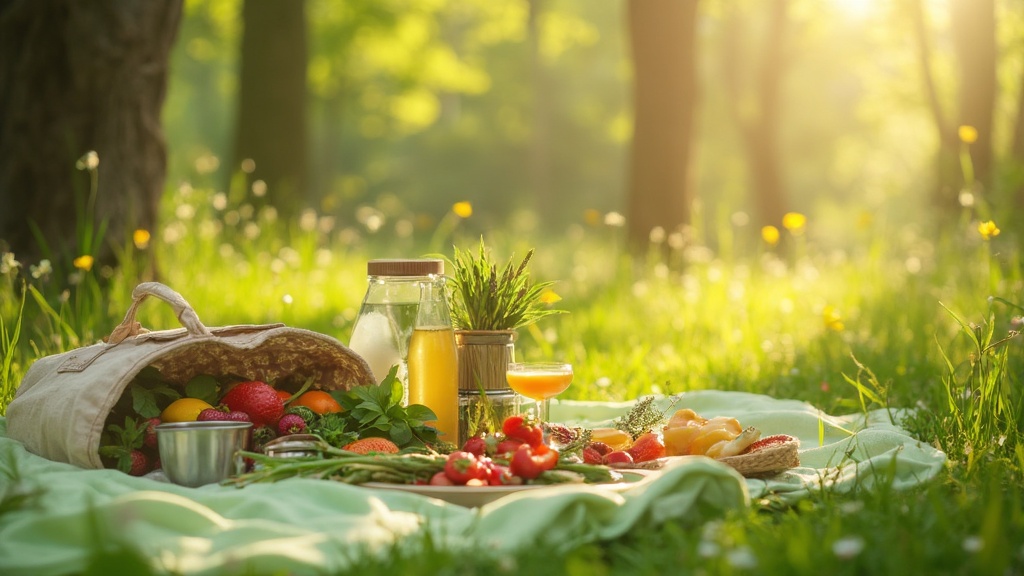
I treat a picnic menu like a project charter: clear objectives, defined deliverables, and a tight budget. Focus on three to four items that showcase the season’s peak produce. For a Pacific Northwest spring, think asparagus, snap peas, strawberries, and baby greens. Their short shelf life means you’ll use them quickly, reducing spoilage risk.
Tip: Use the USDA’s Seasonal Produce Guide to pinpoint what’s in peak condition locally. It saves money and guarantees flavor.
2. Source locally to cut carbon and support the community
Visit a farmers’ market within 30 mi of your picnic spot. I log every vendor’s price per pound in a simple spreadsheet—if the cost per unit exceeds the market average by more than 15 %, I walk away. This data‑driven approach mirrors my project‑management roots.
Where to look:
- Farmers Market Coalition for certified markets near you.
- Local CSA (Community Supported Agriculture) programs often allow one‑off pick‑ups.
3. Choose reusable gear that delivers ROI on durability
Reusable isn’t just “green”; it’s cost‑effective. Stainless‑steel containers, bamboo plates, and glass water bottles have a payback period of under six months compared to disposable equivalents when you picnic quarterly.
| Item | Approx. Cost | Payback (uses) |
|---|---|---|
| Stainless‑steel container (set of 4) | $45 | 12 picnics |
| Bamboo plate (set of 6) | $30 | 10 picnics |
| Glass water bottle (2 L) | $20 | 8 picnics |
Invest in a compact tote with insulated pockets to keep produce fresh without ice packs. My favorite is the EcoBags Classic Tote—it’s sturdy enough for a weekend hike and folds into a zip‑pouch.
4. Pack like a logistics manager
Create a pre‑pack checklist (I keep it in a Google Sheet) to avoid last‑minute purchases that generate waste.
- Gear inventory — containers, utensils, napkins (cloth), trash bags (compostable).
- Food prep — wash and chop at home; store in airtight containers.
- Cooler strategy — line a small cooler with a reusable ice pack and a linen towel to absorb moisture.
- Transport — load heavy items first to maintain balance.
5. Execute a waste‑free cleanup
Bring three bags labeled “Compost”, “Recycle”, and “Trash”. Place them at the edge of the blanket; the visual cue makes sorting effortless for guests. I use biodegradable liner bags from Zero Waste Store—they decompose in under 90 days.
6. Turn leftovers into ROI‑boosting meals
Leftover veggies? Toss them into a quick stir‑fry that you can finish at home. Unsold strawberries? Blend them into a smoothie for a post‑picnic energy boost. Document the transformation in a “Picnic Ledger”—a simple table tracking waste avoided and new meals created. It’s a concrete metric of your ROE.
Takeaway
A zero‑waste picnic isn’t a lofty ideal; it’s a project with a clear scope, measurable outcomes, and a tangible ROI. By sourcing seasonal produce, investing in durable gear, and managing waste like a logistics plan, you turn a casual outing into a sustainable experience that pays dividends in both environmental impact and personal satisfaction. Grab that blanket, pack your reusable kit, and let spring’s bounty do the talking.
Related Reading
- Spring Pantry Reset: Stock Your Shelves with Circadian‑Friendly Foods for Better Sleep & Energy — How to choose foods that sync with your body clock.
- Digital Spring Cleaning: 7 Steps to Declutter Apps, Data & Boost Productivity — Apply the same decluttering mindset to physical waste.
- Spring Home Office Makeover: Boost Productivity with Biophilic Design — Create a nature‑inspired workspace that mirrors your outdoor gathering.
FAQ (Rich Results)
{
  "meta": {
    "faqs": [
      {"question": "What reusable items do I need for a zero‑waste picnic?", "answer": "Pack stainless‑steel containers, bamboo plates, reusable glass bottles, cloth napkins, and compostable trash bags. Each item can be used dozens of times, cutting single‑use waste dramatically."},
      {"question": "How can I find local seasonal produce for my picnic?", "answer": "Check your nearest farmers’ market or use the USDA Seasonal Produce Guide to see what’s in peak season locally. Buying within 30 mi reduces carbon footprint and ensures freshness."},
      {"question": "What should I do with leftover food after the picnic?", "answer": "Turn leftovers into simple meals like stir‑fry or smoothies, or compost any inedible scraps. Tracking leftovers in a \"Picnic Ledger\" helps you quantify waste avoided."}
    ]
  }
}