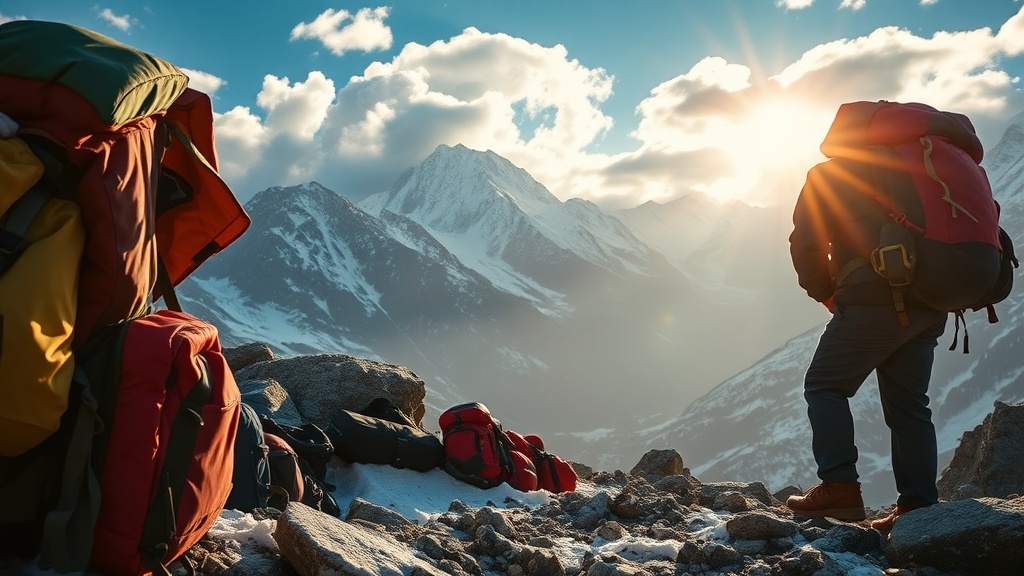
Packing for a High Altitude Trek in the Andes

What You Will Learn
This guide provides a technical breakdown of the gear, apparel, and medical supplies required for high-altitude trekking in the Andes, specifically targeting regions like the Inca Trail to Machu Picchu or the Cordillera Blanca. You will learn how to manage extreme temperature fluctuations through a technical layering system, which specific gear provides the highest return on investment (ROI) for safety and comfort, and how to pack for variable weather patterns to ensure your physical performance is not compromised by preventable discomfort.
The Layering Strategy: Managing Extreme Temperature Fluctuations
In the Andes, you are not just packing for one climate; you are packing for four seasons within a single 24-hour window. You may experience intense, high-UV solar heat at midday and sub-zero temperatures once the sun drops behind the peaks. The goal of your layering system is modularity. Every piece of clothing must serve a specific thermal or moisture-management function.
The Base Layer: Moisture Management
The biggest mistake trekkers make is wearing cotton. Cotton absorbs moisture and stays heavy and cold, which can lead to hypothermia during temperature drops. Your base layers must be made of synthetic materials or Merino wool. Merino wool is the superior choice for multi-day treks because it is naturally antimicrobial and maintains thermal properties even when damp.
- Top: A lightweight (150-200 gsm) Merino wool long-sleeve shirt.
- Bottom: Merino wool leggings or thermal tights.
- Recommendation: Brands like Smartwool or Icebreaker offer high-durability Merino that survives repeated washes and heavy perspiration.
The Mid-Layer: Insulation
The mid-layer's job is to trap heat. You need two distinct types of insulation: a breathable fleece for active movement and a high-loft down jacket for stationary periods or nighttime.
- Active Insulation: A technical fleece (such as the Patagonia R1 series) that allows sweat to escape while retaining warmth.
- Static Insulation: A high-fill power down jacket (800 fill power or higher). This is your "insurance policy" for when you stop moving at high passes or during evening meals at a campsite.
The Outer Layer: Protection from Elements
The Andes are notorious for sudden, heavy rainfall and high-velocity winds. Your outer shell must be a true waterproof/breathable membrane, not just "water-resistant."
- Hard Shell: A Gore-Tex or eVent jacket and trousers. This protects you from wind chill and heavy rain.
- Soft Shell: A lightweight, breathable windbreaker for high-exertion climbs where a heavy rain jacket would cause overheating.
Technical Footwear and Extremity Protection
Footwear is the single most important variable in your trek's success. A blister at 4,000 meters is not just an inconvenience; it is a medical risk that can end your trip. Your footwear must be broken in at least 50 miles before arriving in Peru or Bolivia.
Boots and Socks
Do not rely on lightweight trail runners unless you are an experienced ultra-lightweight hiker. For the Andes, a mid-to-high cut trekking boot provides the necessary ankle stability for uneven, rocky terrain. Ensure your boots have a Vibram sole for maximum traction on loose scree.
The Sock System: Use a three-layer approach. A thin moisture-wicking liner sock, a medium-weight hiking sock (like Darn Tough), and, if temperatures drop below freezing, a heavy wool over-sock. This prevents friction and manages sweat to reduce blister risk.
Hand and Headwear
Heat escapes rapidly through the head and extremities. Pack three distinct levels of headwear:
- A lightweight, moisture-wicking cap for sun protection during the day.
- A thermal beanie for high-altitude nights.
- A wide-brimmed hat or baseball cap to manage solar radiation.
For hands, pack lightweight liner gloves for trekking and heavy-duty insulated mittens or gloves for camp sessions.
Essential Gear: The High-ROI Checklist
When packing a limited volume, you must prioritize gear that offers the highest utility-to-weight ratio. Avoid "just in case" items that add unnecessary bulk.
The Pack and Organization
A 35L to 45L backpack is usually sufficient if you are using a porter service (common on the Inca Trail). If you are self-sufficient, you will need a 60L+ pack. Ensure the pack has an internal frame and a high-quality hip belt to transfer weight from your shoulders to your hips.
Organization Tip: Use color-coded dry bags to organize your gear. This prevents you from digging through your entire pack in the rain and keeps your electronics and dry clothes protected. One bag for "electronics/valuables," one for "clean clothes," and one for "dirty laundry."
Sleep System
Even if you are staying in lodges, high-altitude nights are cold. If camping, your sleeping bag must be rated for at least -10°C (14°F). A lightweight inflatable sleeping pad (like those from Therm-a-Rest) is non-negotiable; it provides the thermal barrier between you and the frozen ground, preventing conductive heat loss.
Hydration and Nutrition
Altitude causes rapid dehydration, often without the sensation of thirst. You need a reliable way to treat water and stay hydrated.
- Water Filtration: A Katadyn BeFree filter or Sawyer Squeeze is essential. Do not rely solely on bottled water, as it is environmentally taxing and often unavailable in remote sections.
- Electrolytes: Pack electrolyte tablets (Nuun or Liquid I.V.) to maintain salt levels during high-exertion days.
- High-Calorie Snacks: Focus on nutrient-dense, easy-to-digest foods like nuts, dried fruit, and energy bars.
Medical and Altitude Management
Altitude sickness (Acute Mountain Sickness or AMS) is a legitimate physiological threat. Your packing list must include a dedicated medical kit designed for high-altitude environments.
The High-Altitude Medical Kit
While you should consult your physician before departure, a standard high-altitude kit should include:
- Acetazolamide (Diamox): Often prescribed to help the body acclimatize (consult a doctor for dosage).
- Pain Relief: Ibuprofen or Acetaminophen for altitude-induced headaches.
- Digestive Support: Loperamide (Imodium) and Pepto-Bismol. Altitude can disrupt your gastrointestinal system.
- Blister Care: Compeed or Moleskin. Do not wait for a blister to form; apply preventative taping if you feel "hot spots."
- Sun Protection: SPF 50+ sunscreen, lip balm with SPF, and polarized sunglasses. The UV index at 4,000 meters is significantly higher than at sea level.
The Importance of Acclimatization
No amount of gear can replace the physiological need for acclimatization. Ensure your itinerary includes at least 2-3 days in a high-altitude city (like Cusco or Huaraz) before beginning your trek. This allows your body to increase red blood cell production and adjust to the lower oxygen levels. If you are planning your trip around specific seasonal windows, ensure you are also checking for environmental and timing variables that might affect your trek's accessibility and safety.
Summary Checklist for Final Review
Before you zip your bag, run through this final audit to ensure you haven't missed a critical component of your high-altitude kit:
- Thermal Layers: Merino base layers, fleece mid-layer, and down jacket.
- Weather Protection: Waterproof shell (jacket and pants) and sun protection.
- Footwear: Broken-in hiking boots, moisture-wicking socks, and liners.
- Hydration/Nutrition: Water filter, electrolyte tablets, and high-calorie snacks.
- Sleep: Temperature-rated sleeping bag and insulated sleeping pad.
- Medical: Altitude medication, blister care, and high-SPF sun protection.