Savoring the Spice Routes: A Culinary Journey Through Morocco's Hidden Souks

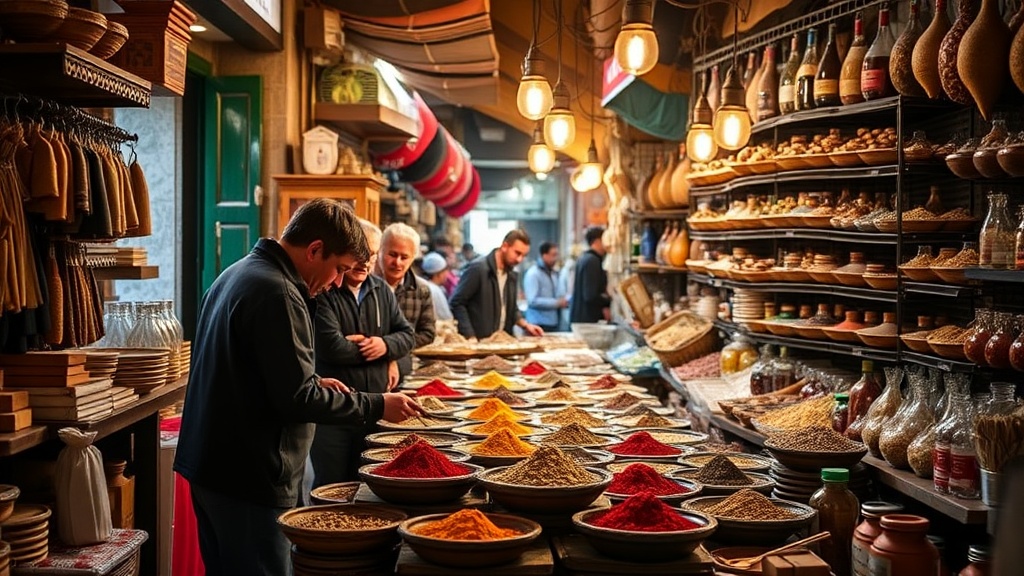
The scent of toasted cumin and slow-simmering cinnamon hits the back of the throat before the first visual of the Marrakech souks even registers. A merchant in the Rahba Kedima square holds up a handful of deep crimson saffron threads, the color so intense it looks almost artificial against the dusty terracotta walls. This isn't just a marketplace; it is a highly organized, centuries-old logistics network of spices, textiles, and artisanal goods. For the traveler who values precision and sensory depth, navigating these labyrinthine alleys requires more than a sense of wonder—it requires a strategic approach to timing, quality assessment, and cultural etiquette.
The Logistics of the Souk: Timing and Navigation
To experience the culinary heart of Morocco without the friction of overwhelming crowds, one must treat the souk like a high-stakes project schedule. The peak congestion in the Medina of Fes or Marrakech typically occurs between 11:00 AM and 4:00 PM. For the most efficient way to observe the spice trade in its most authentic state, aim for the "Golden Window": 7:30 AM to 9:30 AM. During this time, the heavy carts are still moving through the narrow arteries, and the freshest shipments of mint, coriander, and freshly ground spices are being unbundled.
Navigation in a Moroccan medina is rarely linear. Street signs are virtually non-existent in the deeper quarters of the Fes El Bali. Instead of relying on a digital map—which often fails due to narrow stone corridors and signal interference—identify landmarks based on specific trade sectors. Look for the Place des Épices in Marrakech or the specific quarters dedicated to leather or brass. Knowing these "zones" allows you to pivot your itinerary quickly if one area becomes too congested or if you are looking for a specific ingredient like Ras el Hanout.
The ROI of Quality: Identifying Authentic Spices
In a market where many vendors prioritize visual appeal over chemical purity, the "return on investment" for your purchase depends entirely on your ability to verify quality on the spot. If you are buying spices to take home, the cost-per-gram of high-quality product is much more justifiable than buying low-grade fillers. Use these three diagnostic tests to ensure you aren't paying premium prices for diluted goods:
- The Saffron Test: Real Crocus sativus saffron will turn water a vibrant yellow/orange, but the thread itself will remain red. If the thread turns white or loses its color immediately, you are looking at dyed corn silk.
- The Cumin Olfactory Check: High-quality cumin should have a pungent, earthy aroma that hits the nose sharply. If it smells dusty or lacks a distinct scent, it has been sitting in a warehouse too long and has lost its essential oils.
- The Cinnamon Texture: Avoid the pre-ground powders often found in large, cheap plastic containers. Instead, look for whole Ceylon cinnamon sticks. Genuine Ceylon is thinner, more brittle, and has multiple layers, whereas the cheaper Cassia variety is thicker and harder.
A Culinary Deep Dive: Beyond the Standard Tagine
While the tagine is the quintessential Moroccan dish, the true culinary mastery lies in the nuances of the spices used in regional variations. To truly understand the spice routes, one must look at the specific components that drive the flavor profiles of the Maghreb.
The Anatomy of Ras el Hanout
Ras el Hanout, which translates to "top of the shop," is not a single spice but a complex blend that can contain upwards of 30 different ingredients. When purchasing this blend, look for vendors who can name at least five of the primary components. A high-end blend will often include cardamom, clove, nutmeg, mace, ginger, turmeric, and sometimes even dried rosebuds or vanilla. If a vendor offers a generic version, it is likely a basic cumin-turmeric mix. The premium version is an investment in the complexity of your future home cooking.
The Essential Moroccan Pantry List
If you are planning a culinary-focused journey, your itinerary should include stops at specific types of stalls to build a mental (and physical) inventory of these essentials:
- The Dried Fruit Merchants: Essential for balancing savory dishes. Seek out Medjool dates from the Tafilalet region; they should be plump, moist, and have a slight sheen, indicating high sugar content and freshness.
- The Olive Oil Pressers: Morocco produces incredible oils. Look for cold-pressed Argan oil for culinary use (distinct from the cosmetic grade) and high-acid olive oils for cooking.
- The Salt Traders: Traditional Moroccan cooking often utilizes different textures of salt, including sea salt harvested from the Atlantic coast, which provides a different mineral profile than standard table salt.
Managing the Sensory Overload: A Professional's Guide to Dining
Dining in the heart of the medina can be a chaotic experience. To ensure your meal is a highlight rather than a logistical headache, apply a few strategic principles. Many high-end travelers find that the best way to enjoy authentic flavors is to balance "street food" with structured dining. For example, enjoy a quick Msemmen (flaky Moroccan pancake) from a street vendor for breakfast, but reserve your heavy, multi-course meals for established Riads or specialized restaurants like Le Jardin in Marrakech.
When dining, pay attention to the rhythm of the meal. Moroccan cuisine is designed around slow consumption and social interaction. If you are traveling for business or need to maintain a specific physiological schedule, be aware that traditional dinners can be quite heavy and may interfere with your sleep quality. To mitigate this, consider the timing of your heavy spice intake. For those who prioritize biological consistency, aligning your heaviest meals with your natural energy peaks is vital. For more on optimizing your body's response to travel-induced dietary changes, see our guide on 5 Simple Meal Timing Hacks for Bio‑Harmony in 2026.
The Cost-Benefit Analysis of Guided Food Tours
A common question I receive from clients is: "Is it worth hiring a private culinary guide, or should I just wander the souks myself?" From a project management perspective, the answer depends on your objective. If your goal is "discovery through serendipity," go solo. However, if your goal is "maximum knowledge acquisition and quality assurance," a guide is a mandatory line item in your budget.
"A skilled culinary guide in Morocco does not just show you where to eat; they act as a translator between you and the vendor, ensuring you understand the provenance of the spices and the true cost of the goods."
A professional guide provides three distinct advantages:
- Price Transparency: They know the local market rates and can prevent you from paying "tourist premiums" on spices and oils.
- Access: They can get you into the smaller, family-run workshops where the most authentic products are made, away from the main thoroughfares.
- Technical Knowledge: They can explain the difference between various types of Harissa or the specific regional variations of Tajine, turning a simple meal into a technical masterclass.
Practical Preparedness: What to Pack for a Culinary Journey
To navigate the spice markets and food tours effectively, your "kit" should include more than just a camera. To ensure your journey is as seamless as possible, include these items in your carry-on:
- Small, Airtight Glass Containers: For transporting small amounts of high-quality spices or oils without scent leakage.
- Hand Sanitizer and Biodegradable Wipes: Essential for maintaining hygiene when eating street food.
- A Digital Scale: If you are serious about buying spices by weight, a small, portable scale can help you verify that the weight on the scale matches what you are paying for.
- A High-Quality Notebook: To record the names of specific spice blends and vendors you encounter, creating your own "flavor database" for future use.
Morocco's spice routes offer a level of depth that few other destinations can match. By approaching the souks with a structured plan, a discerning eye for quality, and an understanding of the local rhythms, you transform a potentially overwhelming experience into a high-yield cultural investment. Whether you are seeking the perfect Ras el Hanout or simply the perfect afternoon tea, the key lies in the details.