Why You Should Spend a Week Exploring the Moroccan Souks

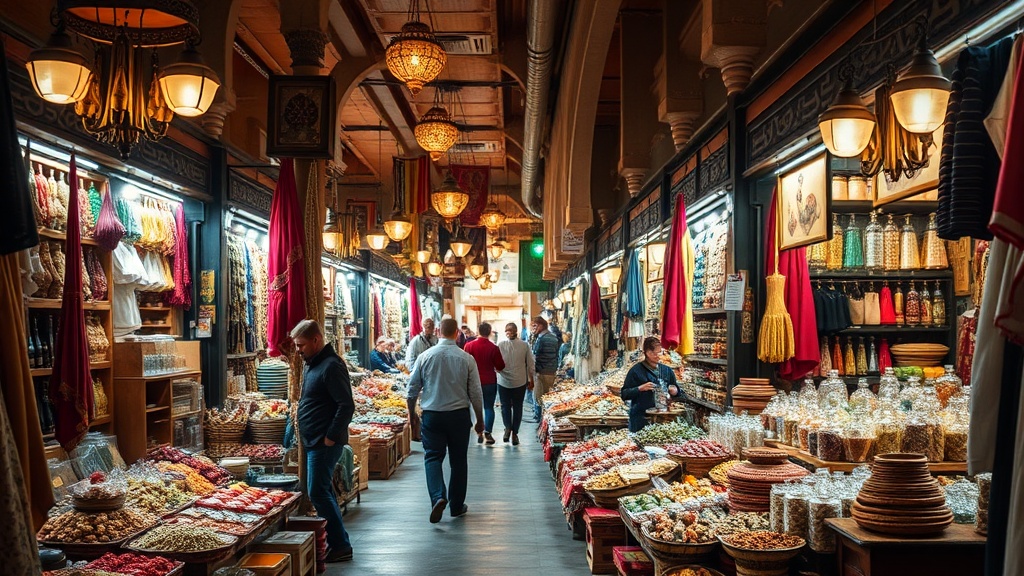
The scent of freshly ground cumin hits you before you even enter the narrow alleyways of the Marrakech Medina. A merchant holds up a hand-woven Berber rug, the intricate geometric patterns in saffron and indigo catching the sunlight, while the rhythmic clanging of a copper smith’s hammer provides a constant metronome to the chaos. This is not a curated museum experience; it is a high-sensory, high-engagement marketplace that requires tactical planning to navigate effectively. This guide explains why a seven-day immersion in the Moroccan souks offers a high return on your time and how to structure your itinerary to avoid burnout while maximizing cultural ROI.
The ROI of a Seven-Day Itinerary
Most travelers treat the souks of Morocco—specifically in Marrakech, Fes, and Chefchaouen—as a two-hour checkbox activity. They rush through, feel overwhelmed, and leave feeling frustrated by the aggressive sales tactics. By allocating a full week, you move past the initial sensory overload and into a phase of genuine discovery. A longer duration allows you to establish a rhythm, recognize the different specialized quarters, and actually negotiate prices with the confidence of someone who isn't in a rush to catch a tour bus.
When you plan a trip with this much depth, you aren't just "shopping"; you are observing centuries-old supply chains. You see how the leather is tanned in the Fes Chouara Tannery and how the metalwork is forged in the heat of the blacksmith quarters. This level of detail transforms a standard vacation into a masterclass in traditional craftsmanship. If you are used to the structured efficiency of a high-level project, you will appreciate the complex, organic logic that governs these markets.
Strategic Planning: Where to Focus Your Time
To get the most out of a week, you should not spend every day in the same city. A high-yield itinerary involves moving between different hubs to see how regional specialties vary. I recommend splitting your week between Marrakech and Fes to see the two distinct "flavors" of Moroccan commerce.
Marrakech: The High-Energy Hub
Marrakech is the most commercialized and intense of the Moroccan cities. The Jemaa el-Fnaa square serves as the epicenter, transitioning from a daytime market to a massive open-air food court at night. Focus your time here on high-end textiles, leather goods, and spices. The Marrakech markets are excellent for finding statement pieces for your home, such as large brass lanterns or heavy wool blankets.
Fes: The Traditionalist’s Deep Dive
If Marrakech is the commercial powerhouse, Fes is the ancestral heart. The Fes Medina is one of the largest car-free urban areas in the world and is significantly more labyrinthine than Marrakech. This is where you go to witness the rawest forms of production. You will see the pottery wheels in action and the precise, manual labor required to create Zellij (mosaic tilework). It is less "polished" than Marrakech, which means the authenticity—and the potential for finding genuine artisanal goods—is much higher.
Logistics and Essential Gear
Navigating these markets is a physical endeavor. You are constantly dodging motorbikes, donkey carts, and crowds. To manage this effectively, you need to treat your movement like a tactical operation. Do not attempt to navigate the souks with a large, rolling suitcase; you will be stuck in a corner or forced to pay a porter. Instead, use a high-quality backpack or a crossbody bag that can be worn in front of your body to secure your belongings.
Connectivity is another critical component. While many high-end riads offer Wi-Fi, you will need reliable data to navigate the winding alleys using GPS when you inevitably lose your way. I highly recommend knowing why you should always buy a local SIM card before arriving, as it allows you to use offline maps and translation apps seamlessly without relying on spotty public connections.
- Footwear: Wear closed-toe shoes with grip. The ground can be uneven, dusty, and occasionally wet near the leather tanneries.
- Navigation: Download the offline version of Marrakech and Fes on Google Maps.
- Cash Management: Carry small denominations of Moroccan Dirham (MAD). While larger shops accept credit cards, the heart of the souk runs entirely on cash.
The Art of the Negotiation: A Professional Approach
Negotiation in the souks is not an argument; it is a social ritual. If you walk into a shop and ask "How much?", you are initiating a transaction that often includes a conversation, a tea service, and a lengthy negotiation. If you are not interested in buying, do not ask the price. This is a fundamental rule of efficiency.
When you do decide to negotiate, follow these three rules to ensure you aren't overpaying while maintaining respect:
- The Tea Protocol: In many high-end shops, the merchant will offer mint tea. This is a sign of hospitality. Accepting the tea is a way to build rapport, but it does not obligate you to buy. Use this time to observe the quality of the goods without the pressure of a quick sale.
- The 50% Baseline: A common rule of thumb is that the first price quoted is often significantly higher than the target price. Aim to start your counter-offer at roughly 40-50% of the initial quote, with the goal of settling somewhere in the middle.
- The "Walk Away" Technique: The most powerful tool in your negotiation toolkit is the ability to walk away. If the price isn't meeting your predetermined budget, thank the merchant and exit the shop. More often than not, they will call you back with a better offer. If they don't, you have successfully protected your budget.
What to Buy: High-Value Acquisitions
To ensure your trip has a lasting ROI, focus on items that are truly local and high-quality. Avoid the mass-produced "tourist trinkets" found near the main entrances of the medinas. Instead, look for these specific categories:
Hand-Woven Textiles
Look for Beni Ourain rugs or Sabra silk scarves. These are durable, culturally significant, and easy to pack if you are mindful of space. If you are traveling light, consider focusing on smaller textile items like cushion covers or table runners. For more tips on traveling efficiently, see my guide on how to pack a carry-on for a two-week trip.
Ceramics and Pottery
Fes is world-renowned for its blue-and-white ceramics. These are beautiful but extremely fragile. If you plan to purchase large plates or bowls, you must factor in the cost of professional packing or a shipping service. Do not attempt to wrap these in your clothing and shove them in a carry-on; the risk of breakage is too high.
Spices and Culinary Goods
The spice markets (Souk el Attarine) are a sensory highlight. Buy high-quality saffron, Ras el Hanout blends, and authentic Moroccan tea. These items are lightweight, high-value, and easy to transport back home. Ensure you buy from reputable vendors who keep their spices in airtight containers to preserve freshness.
Managing Sensory Overload
A week in the souks can be exhausting. The constant noise, the heat, and the persistent social interaction can lead to "decision fatigue." To prevent this, do not attempt to spend more than four consecutive hours in the markets. Use the mid-afternoon—when the heat is at its peak and the crowds are most intense—to retreat to your Riad (a traditional Moroccan house with an interior courtyard).
A Riad is designed for tranquility. The central courtyard provides a microclimate of calm and shade. Use this time to recharge your mental batteries so that you can approach the next day's exploration with fresh eyes. A successful trip to Morocco is about the balance between the chaotic energy of the street and the structured peace of your accommodation.
"The souk is not a place to be conquered; it is a place to be experienced. If you try to rush it, it will push back. If you move with intention, it will reveal its secrets."
By treating your time in the Moroccan souks as a strategic immersion rather than a frantic shopping spree, you will return home with more than just souvenirs. You will return with a deeper understanding of a complex, beautiful, and highly efficient traditional economy. That is the true return on your investment.