Why You Should Visit Kyoto During the Cherry Blossom Season

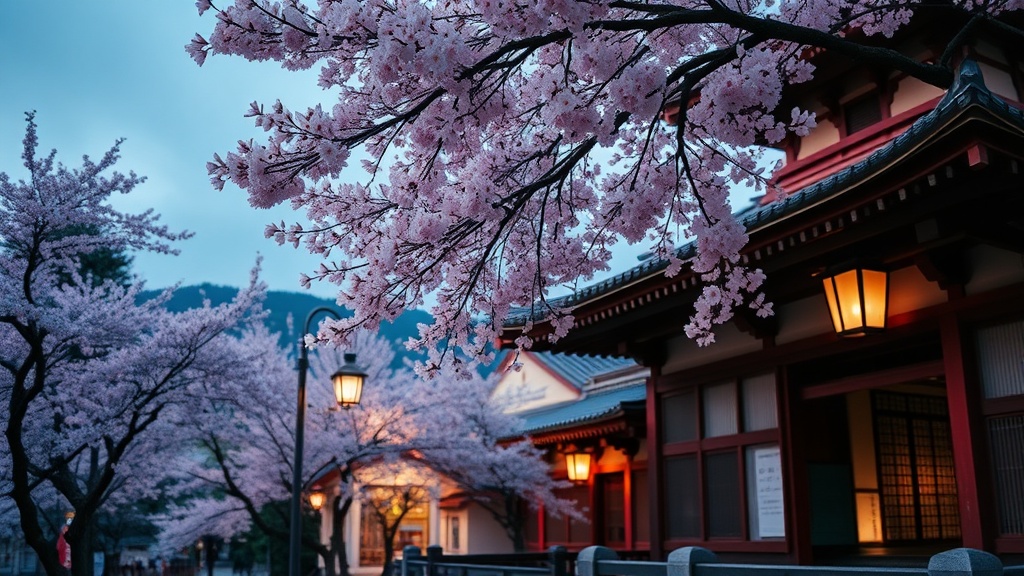
Pink petals drift into a cup of matcha at a riverside cafe in Arashiyama, signaling the arrival of Sakura season in Kyoto. This post examines the logistics, ROI, and strategic planning required to experience Kyoto during its peak cherry blossom window. For the established professional, a trip to Japan is a significant investment of both capital and time; understanding the timing, crowd management, and cost-benefit ratio of this specific season is essential to ensuring your vacation delivers a high return on experience rather than a lesson in frustration.
The Logistics of Timing and the Sakura Window
The primary challenge of visiting Kyoto during cherry blossom season is the volatility of the bloom. Unlike a scheduled conference or a fixed flight departure, the sakura window is dictated by local meteorology. The peak bloom (mankai) typically occurs between the last week of March and the first week of April, but this can shift by up to ten days depending on the previous winter's temperature and spring rainfall.
To maximize your success rate, do not book a fixed itinerary based on a specific date. Instead, build a "buffer week" into your travel plans. If you arrive on March 25th and the bloom is late, you have the flexibility to move your focus to different varieties of trees or adjust your itinerary. I recommend tracking the Japan Meteorological Corporation (JMC) forecasts, which release updated bloom predictions starting in February. This data-driven approach allows you to pivot your location within the city based on real-time botanical progress.
Varieties and Locations: A Strategic Breakdown
Not all cherry blossoms in Kyoto are created up. If you miss the main peak of the Somei Yoshino variety, you can still find success by targeting different species and elevations. This is where most travelers fail: they assume the whole city blooms at once. In reality, the bloom is a staggered sequence.
- Philosopher’s Path (Tetsugaku-no-michi): This is the high-density option. It is visually spectacular but suffers from extreme pedestrian congestion. If your goal is photography without a crowd, this is a low-ROI destination during peak hours.
- Maruyama Park: This is the social hub. It features the famous weeping cherry tree (shidarezakura). It is excellent for evening viewing (yozakura) but expect high noise levels and heavy crowds.
- Heian Shrine: The late-blooming varieties here offer a better chance of success if you arrive slightly after the main peak has passed.
- Arashiyama: The mountainside provides a different perspective. The bloom here is often more gradual, providing a longer window of visibility.
The Cost-Benefit Analysis of Premium Accommodations
During the Sakura season, hotel rates in Kyoto can increase by 200% to 300% compared to standard months. As a strategist, you must decide if the premium for a central location or a traditional Ryokan is worth the capital outlay. From a productivity and comfort standpoint, the "location premium" is almost always worth it.
Staying near Kyoto Station or the Sanjo/Shijo area provides the highest ROI for time management. When the blossoms are at their peak, the city's transit systems become incredibly crowded. Being able to walk to major shrines or take a short subway ride rather than waiting for a bus—which can be delayed by traffic and crowds—is a significant advantage. If you are staying in a peripheral area, you will spend a disproportionate amount of your vacation in transit, which diminishes the value of your trip.
If you are looking to experience a high-end Ryokan (traditional Japanese inn), book at least six months in advance. A Ryokan stay during Sakura season is a luxury expense, but it offers a controlled environment. While the streets outside are chaotic, the courtyard gardens of high-end establishments like Tawaraya or Hiiragiya offer a private, serene way to experience the season without the logistical friction of public crowds.
Crowd Management and Navigational Efficiency
The biggest threat to a successful Kyoto vacation is "crowd fatigue." If you attempt to visit the major sites during standard daylight hours, you will spend more time navigating through people than actually observing the scenery. To mitigate this, you must implement a "Reverse Schedule" strategy.
- The Early Bird Protocol: Arrive at high-traffic sites like Kiyomizu-dera or the Arashiyama Bamboo Grove at sunrise (typically between 5:30 AM and 6:30 AM). The light is superior for photography, and the crowds are minimal. By 9:00 AM, the demographic shifts to large tour groups, and the experience quality drops significantly.
- The Mid-Day Retreat: Between 11:00 AM and 3:00 PM, the heat and the crowds peak. This is the optimal time to retreat to a seated environment. Instead of fighting for a view, book a high-end restaurant or a cafe with a view in advance. This turns a logistical obstacle into a scheduled luxury experience.
- The Night Viewing (Yozakura): Many temples, such as Kodai-ji and To-ji, offer special illumination events in the evenings. This is a highly efficient way to see the blossoms, as the temperature drops and the atmosphere shifts. However, be prepared for organized queues.
To stay connected and navigate these movements, ensure your mobile data is seamless. Relying on hotel Wi-Fi is a failure point in a city where you need to constantly check transit apps and real-time maps. Buying a local SIM card or an eSIM is a non-negotiable requirement for maintaining your itinerary's efficiency.
Dining and Reservations: Avoiding the Scarcity Trap
In Kyoto, the best dining experiences are often the most difficult to secure during peak season. A common mistake is assuming you can "find a place" near a major landmark. During Sakura, the best-rated restaurants will have weeks-long waiting lists. If you do not have a reservation, you will likely end up in a mediocre, overpriced establishment near a tourist site.
For a high-ROI dining experience, use services like TableCheck or Pocket Concierge to book your dinners well in advance. If you are interested in Kaiseki (traditional multi-course dining), understand that this is a choreographed event. You are paying for the precision and the seasonal ingredients. If you attempt to do Kaiseki on a whim, you will likely face disappointment. For more casual but high-quality meals, look for smaller establishments in the Pontocho Alley area, but again, aim for reservations where possible.
Packing and Technical Essentials
Your wardrobe should prioritize layering and footwear. The temperature in Kyoto during the Sakura season can fluctuate wildly between the crisp morning air and the warmer afternoon sun. A lightweight trench coat or a high-quality technical shell is more useful than a heavy winter jacket.
Regarding footwear, you will be walking significantly more than usual. The combination of uneven stone paths in temple districts and the need to frequently remove shoes for indoor dining means you need shoes that are easy to slip on and off, yet supportive for 15,000+ steps a day. I recommend high-quality walking shoes that are aesthetically neutral, as Japanese culture leans toward understated, polished appearances.
Finally, ensure your tech kit is optimized for high-volume photography. If you are traveling with professional-grade gear, consider a compact, high-capacity power bank. Between using GPS for navigation and capturing high-resolution images of the blossoms, your battery life will deplete faster than usual. If you are traveling light to avoid checked bag fees, review my guide on how to pack a carry-on for a two-week trip to ensure you have the essentials without the bulk.
The Final Verdict: Is It Worth the Investment?
The "Sakura Premium"—the extra cost in airfare, lodging, and the logistical complexity of crowds—is high. However, for a traveler who approaches the trip with a structured plan, the ROI is substantial. Kyoto during this season is not just a visual event; it is a masterclass in seasonal transition and cultural precision. If you approach the trip with the mindset of a project manager—prioritizing timing, securing high-value assets (hotels/restaurants) early, and building in contingency plans—you will experience one of the most rewarding travel windows in the world.